Gout on the Go: A Traveler's Complete Guide to Staying on Track with Allopurinol Across Time Zones
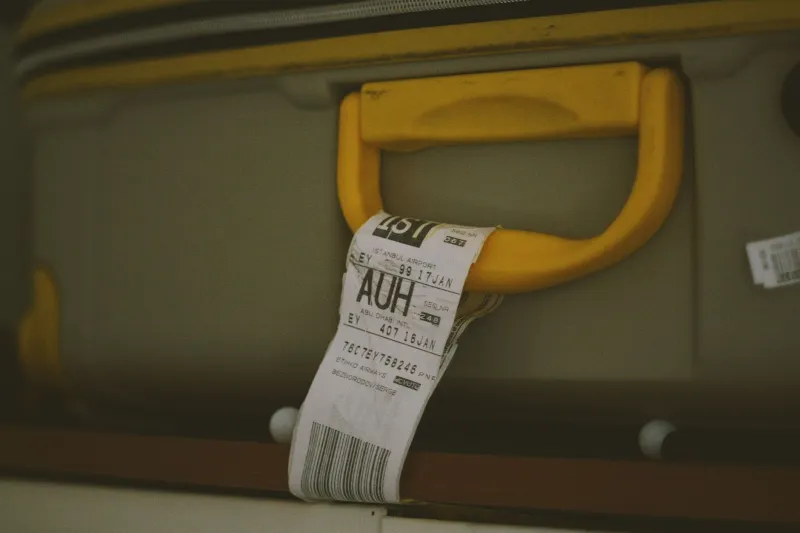
For millions of Americans managing gout, allopurinol has become as routine as morning coffee. The pill is taken, the day proceeds, and uric acid levels remain under control. That comfortable routine, however, can feel surprisingly fragile the moment you board a cross-country flight or land in a European city where your watch no longer means anything familiar.
Travel is one of the most frequently cited reasons gout patients miss doses or experience unexpected flares. The combination of disrupted schedules, unfamiliar food environments, increased alcohol consumption, dehydration from flights, and the simple confusion of time zone arithmetic creates a convergence of risk factors that no single precaution can address on its own. Preparation, however, goes a long way.
Why Consistency Matters More Than Precision Timing
Before addressing the logistics of travel, it helps to understand what allopurinol is actually doing in your body. Allopurinol works by inhibiting xanthine oxidase, the enzyme responsible for converting purines into uric acid. Its active metabolite, oxypurinol, has a relatively long half-life—typically between 18 and 30 hours in patients with normal kidney function. This pharmacokinetic reality offers some reassurance: a dose taken two or three hours off schedule is unlikely to cause a meaningful disruption in uric acid suppression.
What matters far more than hitting an exact clock time is maintaining daily consistency. Skipping a dose entirely, particularly during a period of physical stress such as long-haul travel, is where real vulnerability enters the picture. The goal during travel is not perfection—it is continuity.
Adjusting Your Schedule Across Time Zones
The most straightforward approach for most patients is to shift their dosing schedule gradually in the days leading up to departure. If you take allopurinol every morning at 8:00 a.m. Eastern Time and you are flying to London—five hours ahead—you might begin moving your dose forward by one hour each day for three to four days before departure. By the time you land, your body clock and your dosing schedule are already closer to alignment with your destination.
For shorter trips of four days or fewer, many clinicians suggest simply staying on your home time zone schedule. The disruption of adjusting and then re-adjusting may introduce more variability than the time difference itself. Discuss this approach with your prescribing physician before your trip, as individual factors such as kidney function, current uric acid levels, and dosing frequency will influence the best strategy for your specific situation.
For patients taking allopurinol twice daily, the calculation becomes slightly more complex. In these cases, the priority is maintaining an approximately equal interval between doses rather than anchoring to a specific local time. A travel medicine consultation or a brief call with your rheumatologist before departure can help you map out a clear schedule for the entire trip.
Packing and Documentation: The Details That Prevent Emergencies
Medication access issues are not hypothetical inconveniences—they are documented realities for travelers who do not prepare. Pharmacies in other countries may not stock allopurinol under the same brand name or in the same formulations available in the United States. Generic allopurinol is widely available internationally, but navigating a foreign pharmacy system while managing a gout flare is a situation worth avoiding entirely.
The following preparation steps are recommended for any trip longer than a weekend:
Carry more than you need. Pack at minimum a two-week supply beyond your expected travel duration. Delays, itinerary changes, and lost luggage are real possibilities. Keeping your medication in your carry-on bag rather than checked luggage is a fundamental precaution.
Bring a copy of your prescription. A printed prescription from your US physician, ideally on official letterhead and including the generic drug name, dosage, and your diagnosis, can resolve most pharmacy access issues internationally. Some patients also carry a brief letter from their doctor summarizing their condition and treatment regimen.
Know the generic name. Allopurinol is the international nonproprietary name for this medication and is recognized in most countries. Zyloprim, the brand name common in the United States, may not be recognized abroad. Knowing that you are looking for allopurinol specifically will prevent confusion at foreign pharmacies.
Check TSA and customs regulations. Within the United States, the Transportation Security Administration permits prescription medications in carry-on bags without quantity restrictions, though keeping them in their original labeled bottles is advisable. International customs regulations vary; most countries permit personal-use quantities of prescription medications with appropriate documentation.
Travel Triggers: Managing the Flare Risks That Accompany Vacation
Even patients who maintain perfect medication adherence during travel may find that other aspects of the vacation experience conspire against them. Long flights are notably dehydrating, and dehydration concentrates uric acid in the blood. Alcohol, often consumed more liberally during vacation, both increases uric acid production and reduces renal excretion of urate. Rich foods, unfamiliar cuisines high in organ meats or shellfish, and larger portion sizes all contribute to purine load.
Hydration deserves particular emphasis. The standard guidance of drinking water consistently throughout a flight applies with added urgency for gout patients. A general target of at least eight ounces of water per hour of flight time is a reasonable starting point, though individual needs vary. Avoiding diuretics such as coffee and alcohol during the flight itself is a practical measure that many travelers underestimate.
If your physician has previously prescribed colchicine or an anti-inflammatory as a flare rescue medication, traveling with a short supply is worth discussing before departure. Having a backup option available does not mean anticipating failure—it means being a prepared patient.
Communicating with Your Care Team Before You Leave
A brief pre-travel conversation with your rheumatologist or primary care physician accomplishes several things at once. It provides an opportunity to confirm that your current uric acid levels are stable enough to weather the minor disruptions that travel inevitably introduces. It allows your physician to provide written documentation of your treatment. And it creates an opening to discuss contingency plans if a flare does occur while you are away.
Many US-based physicians can now conduct pre-travel consultations via telehealth, making this step more accessible than it may have been in previous years. If your trip involves an extended stay—several weeks or longer—your physician may also be able to identify a rheumatologist or general practitioner at your destination who could provide support if needed.
The Broader Principle: Routine Is the Real Medicine
Allopurinol's effectiveness is cumulative. The drug does not work in dramatic single-dose interventions; it works by maintaining a sustained reduction in serum uric acid over months and years. Travel, no matter how disruptive to daily routine, should be viewed as a temporary interruption to manage—not a reason to suspend therapy.
Patients who approach their medication schedule with the same intentionality they bring to booking flights and hotels tend to return from trips without incident. Those who leave medication management to chance often return with a flare that no amount of sightseeing can compensate for.
With the right preparation, gout does not have to be the loudest thing in your carry-on bag.