What You Eat Is Working Against Your Prescription: The Purine Problem No One Fully Explains to Gout Patients
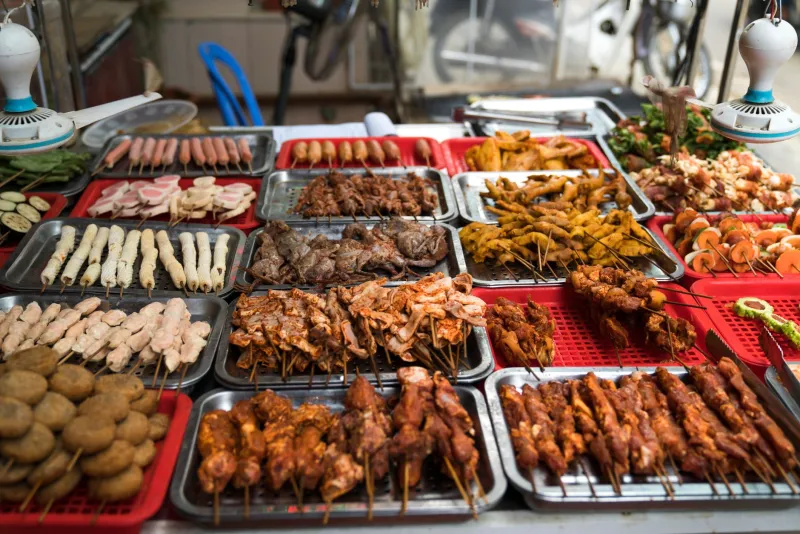
You are taking your allopurinol consistently, your doctor has titrated your dose carefully, and yet the flares keep coming. The joints still ache. The lab numbers refuse to reach the target. For a significant number of gout patients in the United States, the culprit is not the medication—it is what is happening at the dinner table three times a day.
Allopurinol works by inhibiting xanthine oxidase, the enzyme responsible for converting hypoxanthine and xanthine into uric acid. Under ideal conditions, this suppression substantially reduces the body's uric acid production. The critical phrase, however, is under ideal conditions. When the diet continuously floods the metabolic pathway with purines—the nitrogen-containing compounds that break down into uric acid—even a well-dosed prescription faces a losing battle.
Understanding this dynamic requires moving beyond the oversimplified advice that most patients receive at diagnosis.
What Purines Actually Are and Why They Matter
Purines are organic compounds found in virtually every cell of every living organism. When cells die and are metabolized, purines are released and ultimately broken down into uric acid. The body produces purines endogenously, but dietary intake adds a substantial external load.
The liver processes this combined burden. In a person without gout, the kidneys efficiently excrete excess uric acid. In gout patients—most of whom either overproduce uric acid, underexcrete it, or both—this system is already strained. Adding a high-purine diet on top of an underlying metabolic vulnerability is, biochemically speaking, pouring water into a bucket that is already near the rim.
Allopurinol reduces the rate at which purines are converted to uric acid, but it does not eliminate the conversion entirely. A very high purine intake can still generate enough uric acid to keep serum levels elevated above the therapeutic target of 6 mg/dL.
The High-Purine Offenders You Already Know—and the Ones You Don't
Organ Meats: The Most Concentrated Purine Sources
Liver, kidney, sweetbreads, and brain are among the densest purine-containing foods in the American diet. A single 3.5-ounce serving of beef liver contains approximately 200 milligrams of purines. For context, most clinical guidelines recommend that gout patients limit total daily purine intake to somewhere between 100 and 400 milligrams, depending on individual tolerance and disease severity.
Organ meats are experiencing a cultural revival in certain wellness communities, marketed for their micronutrient density. For gout patients, however, even modest and infrequent consumption can trigger measurable spikes in serum uric acid within hours of a meal.
Red Meat and Game: High Volume, High Risk
Beef, pork, lamb, and venison contain moderate to high levels of purines—generally between 100 and 150 milligrams per 3.5-ounce serving. The issue for most American gout patients is not a single large steak but the cumulative effect of daily meat consumption across meals. A breakfast of bacon, a lunch containing a beef patty, and a dinner with a pork chop can easily push total purine intake well above what even optimized allopurinol dosing can fully compensate for.
Seafood: A More Nuanced Picture
Not all seafood carries equal risk, and this is where many patients receive incomplete guidance. Anchovies, sardines, mussels, scallops, herring, and mackerel are exceptionally high in purines—comparable to or exceeding organ meats in some cases. Shrimp, lobster, and crab are moderately high.
Salmon, tilapia, and catfish fall into a lower-risk category and are generally better tolerated, though portion size still matters. Patients who shift toward a Mediterranean-style diet for cardiovascular health may inadvertently increase gout risk if they lean heavily on high-purine fish without recognizing the tradeoff.
Beer and Yeast-Containing Products
Alcohol's interaction with gout is multifactorial, but beer deserves specific mention in a purine context because it contains both alcohol—which impairs uric acid excretion—and significant quantities of purines derived from brewer's yeast. Yeast extracts, including certain spreads popular in American specialty grocery stores, are similarly problematic.
Non-alcoholic beer is not a safe substitute; the purine content remains. Patients who have read that moderate wine consumption carries less gout risk than beer should understand that this relative comparison does not make wine risk-free, particularly for those already struggling to reach uric acid targets.
The Plant-Based Surprise: Vegetables That Deserve a Second Look
For years, high-purine vegetables were treated with the same alarm as red meat. More recent clinical evidence suggests that plant-derived purines do not raise uric acid as dramatically as animal-derived purines—likely because of differences in bioavailability and the accompanying presence of fiber, vitamin C, and other compounds that support uric acid excretion.
That said, some plant foods still contribute meaningfully to purine load and warrant awareness:
- Asparagus, spinach, cauliflower, and mushrooms are moderately high in purines but are generally considered acceptable in reasonable portions for most gout patients.
- Dried lentils, black beans, and other legumes contain purines but also provide fiber and protein that make them valuable dietary components. Current evidence does not support eliminating them.
- Nutritional yeast, increasingly popular in plant-based cooking as a cheese substitute, is a concentrated purine source and should be used sparingly.
The practical takeaway is that gout patients following plant-forward diets are not automatically protected. If the diet relies heavily on the highest-purine vegetables and legumes while eliminating the protective benefits of dairy and low-fructose fruits, uric acid management can still suffer.
Fructose: The Hidden Metabolic Trigger
Perhaps the most underappreciated dietary driver of uric acid elevation is fructose—not the modest amounts found in whole fruit, but the concentrated high-fructose corn syrup prevalent in American processed foods, sweetened beverages, and condiments.
Fructose metabolism generates uric acid through a pathway entirely separate from purine catabolism. This means that a gout patient who carefully limits meat and seafood but consumes large quantities of soda, sweetened iced tea, fruit juice, or processed snack foods may still be generating substantial uric acid through this parallel route—one that allopurinol's xanthine oxidase inhibition does not directly address.
Reading nutrition labels for added sugars and specifically reducing high-fructose corn syrup intake is a concrete, actionable step that many patients overlook entirely.
Practical Guidance: Building a Gout-Conscious Plate
Rather than prescribing a rigid elimination diet, the goal is to reduce cumulative daily purine load while maintaining nutritional adequacy. Several principles are clinically supported:
- Limit organ meats to rare or no consumption. There is no therapeutic benefit that outweighs the uric acid risk for gout patients.
- Cap red meat portions at 3 to 4 ounces per serving and limit to a few servings per week. Substituting poultry—particularly chicken breast—reduces purine intake significantly.
- Choose lower-purine seafood such as salmon and tilapia over anchovies, sardines, and shellfish.
- Replace sweetened beverages with water, low-fat milk, or coffee. Research consistently associates coffee consumption with lower uric acid levels, and dairy proteins appear to promote uric acid excretion.
- Be cautious with beer and yeast extracts regardless of overall alcohol intake.
- Do not fear most vegetables, but be mindful of portion sizes for the highest-purine plant foods.
Why This Matters Even When Your Dose Seems Right
Physicians sometimes increase allopurinol doses in response to persistently elevated uric acid without fully exploring whether dietary factors are undermining the medication. While dose optimization is often necessary, it is not a substitute for dietary management—and higher doses carry incrementally greater risks of side effects.
The most effective approach combines appropriate pharmacological therapy with a genuine reduction in dietary purine load. Patients who take this dual-track strategy seriously frequently find that uric acid levels respond more readily and that flare frequency diminishes in ways that medication alone could not achieve.
Allopurinol is a cornerstone of long-term gout management. But a prescription cannot outrun a diet that continuously replenishes what the medication works to eliminate. Understanding the specific foods that drive uric acid production—and making targeted, sustainable changes—may be the missing variable in your treatment plan.