Why Allopurinol Hits a Wall: Understanding Uric Acid Plateaus and What Your Lab Results Are Actually Telling You
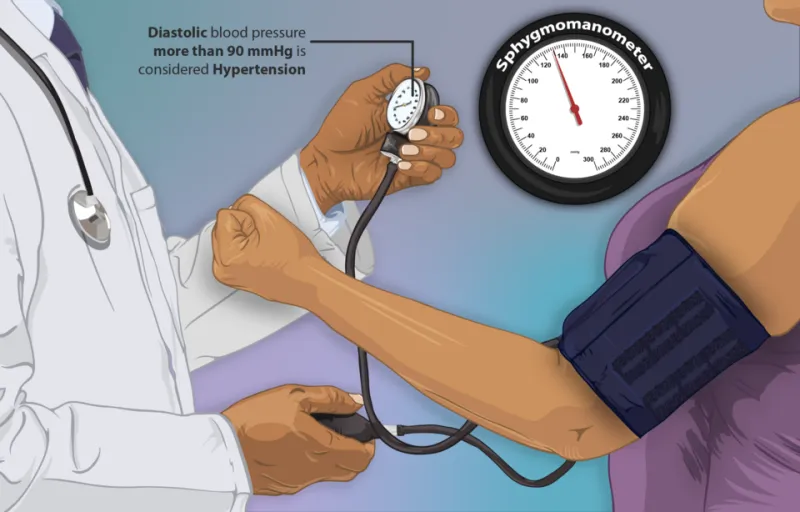
Photo: https://www.myupchar.com/en, CC BY-SA 4.0, via Wikimedia Commons
For many people managing gout, the early weeks of allopurinol therapy bring a reassuring trend: uric acid levels on their blood work begin to fall. The numbers move in the right direction, and optimism builds. Then, somewhere around the three- to six-month mark, the decline stalls. Repeat lab draws show the same figure, or something close to it, and patients are left wondering whether their medication has stopped working—or whether something else is going on beneath the surface.
The answer is rarely simple, but it is almost always explainable. Understanding why uric acid levels plateau requires looking at how allopurinol works at the biochemical level, how individual biology shapes drug response, and what the numbers on a lab report genuinely represent.
How Allopurinol Lowers Uric Acid—and Why That Process Has Limits
Allopurinol functions as a xanthine oxidase inhibitor. Xanthine oxidase is the enzyme responsible for converting purines—compounds found in many foods and produced naturally by the body—into uric acid. By blocking this enzyme, allopurinol reduces the rate at which uric acid is manufactured.
However, the degree to which any individual's xanthine oxidase activity can be suppressed is not uniform across the population. Genetic variation in the gene encoding xanthine oxidase means that some patients have enzymes that respond robustly to allopurinol at low doses, while others possess variants that are inherently less susceptible to inhibition. In practical terms, this means that two patients taking the same 300 mg daily dose may achieve very different serum uric acid concentrations—not because one is doing something wrong, but because their biology differs at the molecular level.
This enzyme variability is one of the most underappreciated reasons a uric acid plateau occurs. The medication has inhibited xanthine oxidase to the extent that it can at a given dose, and further reduction would require either a higher dose or a different therapeutic approach.
The Role of Kidney Function in Shaping Drug Response
Allopurinol's active metabolite, oxypurinol, is cleared from the body primarily through the kidneys. In patients with reduced kidney function—a condition that is more common among gout sufferers than the general population, since chronic hyperuricemia can itself damage renal tissue over time—oxypurinol accumulates in the bloodstream. This accumulation can actually enhance the drug's effectiveness in some patients, but it also complicates dosing decisions significantly.
For patients with chronic kidney disease (CKD), standard dosing guidelines often recommend lower starting doses and more cautious titration to reduce the risk of serious adverse effects. The consequence, however, is that dose escalation to achieve target uric acid levels becomes more constrained. The therapeutic ceiling in these patients may not be pharmacological at all—it may be a deliberate clinical boundary set to protect kidney function.
This is why a uric acid plateau in a patient with CKD carries a different clinical meaning than the same plateau in a patient with normal renal function. Lab reports must always be interpreted alongside a full picture of kidney health, including creatinine, glomerular filtration rate (GFR), and any trends in those values over time.
Decoding the Target Number: What Uric Acid Labs Are Really Measuring
The generally accepted clinical target for serum uric acid in gout management is below 6.0 mg/dL, with some rheumatologists recommending levels below 5.0 mg/dL for patients with tophi or more severe disease. These thresholds are not arbitrary—uric acid becomes insoluble and begins forming crystals in joint fluid at concentrations above approximately 6.8 mg/dL under physiological conditions.
When a patient's lab value plateaus at, say, 5.4 mg/dL, the plateau itself may not be the problem. If the number sits below the therapeutic threshold and flare frequency has declined, the current dose may be achieving exactly what it is supposed to achieve. In this scenario, the plateau is not a failure—it is the destination.
Problems arise when the plateau occurs above the target range. A serum uric acid level that stabilizes at 7.2 mg/dL means crystals continue to deposit in joints and soft tissues, even if the patient feels temporarily better. This is the scenario that warrants clinical attention.
Genetic Testing and Pharmacogenomics: An Emerging Consideration
Pharmacogenomic testing—the analysis of how an individual's genetic profile affects drug metabolism—is increasingly relevant to allopurinol therapy. The HLA-B*58:01 allele, for example, is associated with a severe hypersensitivity reaction to allopurinol and is now screened for in certain populations before therapy begins. Separate genetic variants influence xanthine oxidase activity and the metabolism of oxypurinol.
While routine pharmacogenomic testing for allopurinol response is not yet standard practice across US healthcare settings, its availability is expanding. Patients who have undergone multiple dose adjustments without reaching target uric acid levels may find it worthwhile to ask their rheumatologist or primary care physician whether genetic factors could be contributing to their plateau.
When Dosage Adjustment Is Clinically Warranted
For patients whose uric acid remains above target despite adequate adherence to their current dose, upward titration is frequently the appropriate next step. Allopurinol doses in the US are commonly started at 100 mg daily and titrated upward in increments, with many patients ultimately requiring 400 to 600 mg per day to reach their target. Some individuals, particularly those with normal kidney function and high baseline uric acid, may require doses approaching 800 mg daily under physician supervision.
The decision to escalate should be made in partnership with a healthcare provider and informed by current kidney function labs, adherence history, and the patient's full medication list. Certain drug interactions—most notably with azathioprine and mercaptopurine—make dose escalation potentially dangerous and may require alternative strategies.
When Additional Medications Enter the Picture
For patients who cannot reach target uric acid levels through allopurinol titration alone—whether due to enzyme variability, renal limitations, or drug interactions—additional urate-lowering options exist. Febuxostat, another xanthine oxidase inhibitor with a different molecular structure, may achieve better suppression in patients whose xanthine oxidase variant responds poorly to allopurinol. Probenecid, a uricosuric agent, works through a complementary mechanism by increasing uric acid excretion through the kidneys rather than reducing its production.
In some cases, combination therapy or a complete switch in medication class is the clinically appropriate response to a persistent plateau above target.
Reading Your Labs with Appropriate Context
A single lab value is a data point, not a verdict. Uric acid levels fluctuate with hydration status, recent dietary choices, acute illness, and even the timing of the blood draw relative to medication administration. Clinicians typically look at trends across multiple readings rather than reacting to any single result.
Patients are best served by approaching their lab reports as one piece of a larger clinical picture—one that includes symptom history, flare frequency, kidney function, adherence patterns, and lifestyle factors. When those elements are considered together, the meaning of a uric acid plateau becomes far clearer, and the appropriate clinical response far more precise.