When the Shelf Runs Empty: A Gout Patient's Guide to Surviving a Medication Shortage Without Panic or Dose-Skipping
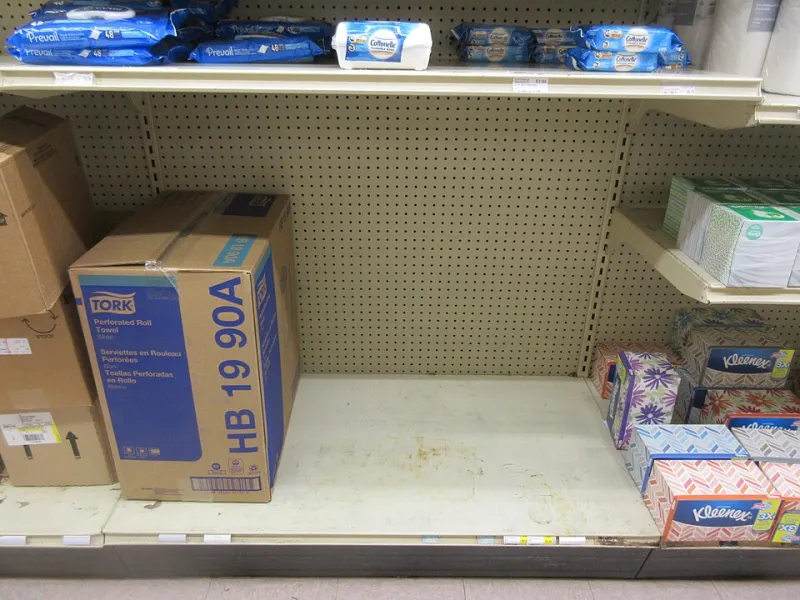
Photo: Infrogmation of New Orleans, CC BY-SA 4.0, via Wikimedia Commons
In recent years, Americans have watched shortages sweep through amoxicillin, Adderall, weight-loss injections, and basic IV fluids. Generic allopurinol has not always escaped these disruptions—and for a medication that patients cannot safely stop and restart at will, even a rumored shortage is cause for genuine concern.
Why Maintenance Drugs Are Vulnerable
Allopurinol is inexpensive, off-patent, and manufactured by a limited number of facilities concentrated both domestically and abroad. Thin profit margins mean manufacturers keep little surplus capacity, so a single plant shutdown—whether from an FDA inspection failure, contamination recall, or raw material disruption—can ripple across the entire market within weeks. Because gout is a chronic condition rather than an acute one, supply problems for maintenance drugs often receive less urgent attention than shortages of emergency medications, even though interruption carries real consequences for patients whose urate levels rebound within weeks of stopping therapy.
The Most Dangerous Response: Rationing Yourself
When refills get delayed, a predictable and hazardous behavior emerges: patients cut tablets in half, take doses every other day, or stop entirely until supply returns. With allopurinol, this strategy backfires. Uric acid begins climbing within days of a missed dose, mobilized crystals can trigger flares, and the hard-won stability of months of therapy erodes. Stopping and restarting also resets some of the flare-prone vulnerability of early treatment.
If you anticipate a gap in supply, the correct move is a phone call to your prescriber—not a self-designed taper. Physicians have options, and silence removes them from the equation.
Building Your Personal Supply Resilience
Refill early, not late. Most insurers allow refills once 70–80% of the supply is used. Filling prescriptions the moment they're eligible builds a modest buffer against shipping delays. Patients with Medicare Part D or commercial insurance can ask about 90-day supplies through mail-order pharmacies, which typically cost less per dose and reduce the number of refill events per year.
Know your pharmacy alternatives. If one chain shows a backorder, independent pharmacies, hospital outpatient pharmacies, and legitimate licensed online pharmacies may still hold stock. Manufacturer discontinuation notices and FDA drug shortage databases are public and worth checking before assuming the worst.
Discuss a backup plan now. Febuxostat (brand name Uloric), another urate-lowering therapy, works by a similar mechanism and represents the most common alternative if allopurinol truly becomes unavailable. It carries its own considerations—including a boxed warning regarding cardiovascular risk in certain patients—so the switch belongs in a doctor's hands, ideally discussed before any emergency arises. Probenecid, a uricosuric option, offers another fallback for select patients.
Document your dosing history. Knowing your current dose, your target urate level, and your most recent lab results makes any emergency prescriber visit faster and safer.
The Bottom Line
Shortages are a supply-chain problem, but their impact is decided at the level of individual choices. Patients who refill proactively, maintain open communication with their prescribers, and understand their alternatives will almost always bridge a disruption without losing control of their gout. The supply chain may wobble; your treatment plan shouldn't have to.